When it comes to underground utility installation and infrastructure projects, selecting the right auger boring equipment can mean the difference between a profitable job and costly delays. With decades of experience in the boring industry, we’ve seen firsthand how proper equipment selection impacts project success.
Understanding Your Project Requirements
Before investing in or renting auger boring equipment, you need a clear understanding of your project parameters. The most critical factors include:
Soil Conditions
Different soil types require different boring approaches. Clay soils may need more torque and slower advancement rates, while sandy conditions might require specialized cutting heads to maintain bore stability. Rocky terrain demands heavy-duty equipment with reinforced components and diamond-tipped cutting tools.
Conduct a thorough geotechnical investigation before equipment selection. Soil borings along your proposed bore path will reveal:
- Soil composition and density
- Groundwater levels
- Presence of rocks or boulders
- Underground obstructions
Bore Size and Length
The diameter and length of your required bore directly impact equipment selection. Smaller diameter bores (12-48 inches) can typically be completed with mid-range boring machines, while larger installations require heavy-duty equipment with greater thrust capacity.
Bore length affects several equipment specifications:
- Required thrust force
- Spoil removal capacity
- Power requirements
- Support equipment needs
For bores exceeding 300 feet, you’ll need to consider intermediate jacking stations or larger capacity machines to maintain adequate thrust throughout the bore.
Site Access and Logistics
Your job site conditions will significantly impact equipment selection. Consider:
- Available space: Compact urban sites may require smaller equipment footprints
- Power availability: Some locations require diesel-powered units instead of electric
- Crew size: Larger machines may need additional operators
- Ground conditions: Soft surfaces may require ground protection mats
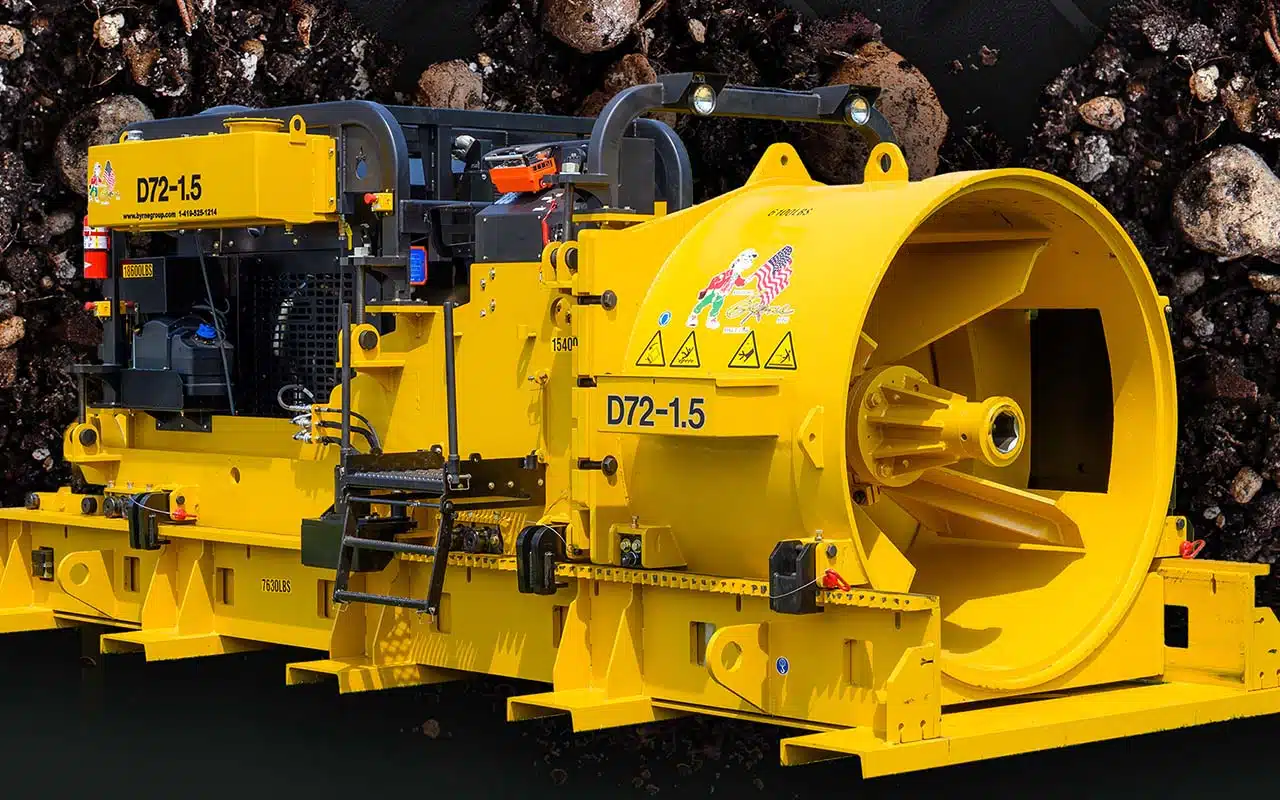
Types of Auger Boring Equipment
Understanding the different equipment types helps you match capabilities to project needs.
Auger Boring Machines
Modern auger boring machines range from compact units for small diameter bores to large production machines for major infrastructure projects.
Small Diameter Machines (12-30 inches)
These machines excel in utility work, including:
- Sewer and water line installation
- Electric and telecommunications conduit
- Gas line boring
- Residential and light commercial projects
Advantages include lower cost, smaller crew requirements, and easier site access. They’re ideal for contractors focusing on utility work in developed areas.
Mid-Range Machines (30-60 inches)
This category represents the workhorse of the boring industry. These machines handle:
- Municipal sewer and water projects
- Storm drain installation
- Commercial utility work
- Road and railroad crossings
Mid-range machines offer the best balance of capability, cost, and versatility for many contractors.
Large Diameter Machines (60+ inches)
Heavy-duty machines for major infrastructure:
- Large diameter sewer and drainage systems
- Pedestrian and vehicle tunnels
- Major utility corridors
- Industrial applications
These units require significant capital investment but deliver high production rates on large projects.
Cutting Heads and Tooling
The cutting head is where the boring action happens. Your choice depends on soil conditions and bore diameter.
Standard Cutting Heads
- Best for: Soft to medium soils
- Cost: Most economical option
- Maintenance: Lower replacement costs
- Applications: General utility work
Carbide-Tipped Heads
- Best for: Hard soils and light rock
- Cost: Moderate initial investment
- Maintenance: Longer service life than standard
- Applications: Mixed soil conditions
Rock Cutting Heads
- Best for: Rock and extremely hard soils
- Cost: Highest initial investment
- Maintenance: Requires regular inspection
- Applications: Rocky terrain, challenging conditions
Support Equipment
Don’t overlook the importance of support equipment in your planning:
Spoil Removal Systems
Efficient spoil removal maintains boring productivity. Options include:
- Auger flights with surface discharge
- Slurry systems for longer bores
- Belt conveyors for confined spaces
- Combination systems for varying conditions
Jacking Systems
Hydraulic jacking frames provide the thrust force needed to advance the boring machine. Consider:
- Required thrust capacity
- Stroke length
- Pipe handling capabilities
- Setup time and crew requirements
Guidance Systems
Modern boring accuracy depends on reliable guidance:
- Laser guidance for straight bores
- Electronic tracking for curved alignments
- Grade and line monitoring
- Real-time position feedback
Equipment Sizing Guidelines
Proper equipment sizing ensures you have adequate capacity without over-investing in unnecessary capability.
Calculating Required Thrust
Thrust requirements depend on several factors.
Basic Formula:
Required Thrust = (Bore Length × Friction Factor) + (Face Resistance × Bore Area)
Friction factors vary by soil type:
- Sand/gravel: 0.3-0.5 tons per linear foot
- Clay: 0.5-0.8 tons per linear foot
- Mixed conditions: 0.6-1.0 tons per linear foot
- Rock: 1.0-2.0 tons per linear foot
Always include a safety factor of 25-50% above calculated requirements to account for unexpected conditions.
Power Requirements
Adequate power ensures consistent boring progress.
Electric Machines
- Lower operating costs
- Quieter operation
- Consistent power delivery
- Requires reliable electrical service
Diesel Machines
- Greater mobility
- No electrical infrastructure needed
- Higher fuel costs
- Better for remote locations
Calculate power needs based on:
- Cutting head torque requirements
- Auger rotation speed
- Anticipated soil resistance
- Required advancement rate
Budget Planning for Equipment Investment
Understanding total cost of ownership helps make informed equipment decisions.
Purchase vs. Rental Analysis
When to Purchase
- Consistent workflow justifies investment
- Multiple upcoming projects requiring similar equipment
- Long-term project duration (6+ months)
- Building your equipment fleet
Rental Advantages
- Lower upfront capital requirement
- Flexibility to match equipment to specific projects
- Maintenance included in rental costs
- No long-term storage needs
Cost Comparison Example:
For a typical mid-range boring machine:
- Purchase price: $250,000-$400,000
- Daily rental rate: $800-$1,500
- Break-even point: 200-300 rental days
Operating Cost Considerations
Beyond acquisition costs, factor in:
Maintenance and Repairs
- Routine servicing: $5,000-$15,000 annually
- Cutting head replacement: $3,000-$20,000 depending on type
- Hydraulic system maintenance: $2,000-$8,000 annually
- Unexpected repairs: Budget 5-10% of machine value
Labor Costs
- Operator wages: $35-$65 per hour
- Support crew: $25-$45 per hour
- Training and certification: $1,000-$3,000 per operator
Transportation and Mobilization
- Equipment transport: $500-$3,000 per move
- Setup and breakdown: 1-2 days labor
- Permits for oversize loads: $100-$500
Making the Final Decision
With all factors considered, evaluate equipment options using this decision matrix:
Critical Success Factors
Technical Capability (40%)
- Matches your typical bore sizes
- Adequate power for soil conditions
- Suitable for site access constraints
- Compatible with existing equipment
Economic Value (30%)
- Fits within budget parameters
- Reasonable operating costs
- Good resale or rental value
- Available financing options
Support and Service (20%)
- Local dealer support
- Parts availability
- Service technician proximity
- Training programs
Operational Efficiency (10%)
- Crew familiarity with brand/type
- Setup and breakdown time
- Fuel efficiency
- Productivity rates
Getting Expert Guidance
Choosing auger boring equipment represents a significant investment. Consultation with experienced manufacturers helps ensure you select equipment matched to your needs.
At Byrne Group, we’ve been manufacturing auger boring equipment for over 50 years. Our engineering team can help you:
- Analyze your project requirements
- Calculate accurate equipment specifications
- Compare options within your budget
- Plan for future equipment needs
Whether you’re a contractor looking to expand your boring capabilities or a utility owner planning a major project, we provide the expertise to make informed equipment decisions.
Ready to discuss your equipment needs? Contact our boring equipment specialists at +1 206 963 6447 or request a consultation through our website. We’ll help you select the right equipment for your specific project requirements.