Success in the auger boring business depends on having the right equipment, properly maintained and ready for deployment. Whether you’re starting a new boring operation or expanding your capabilities, this checklist covers everything needed for professional auger boring projects.
Core Boring Equipment
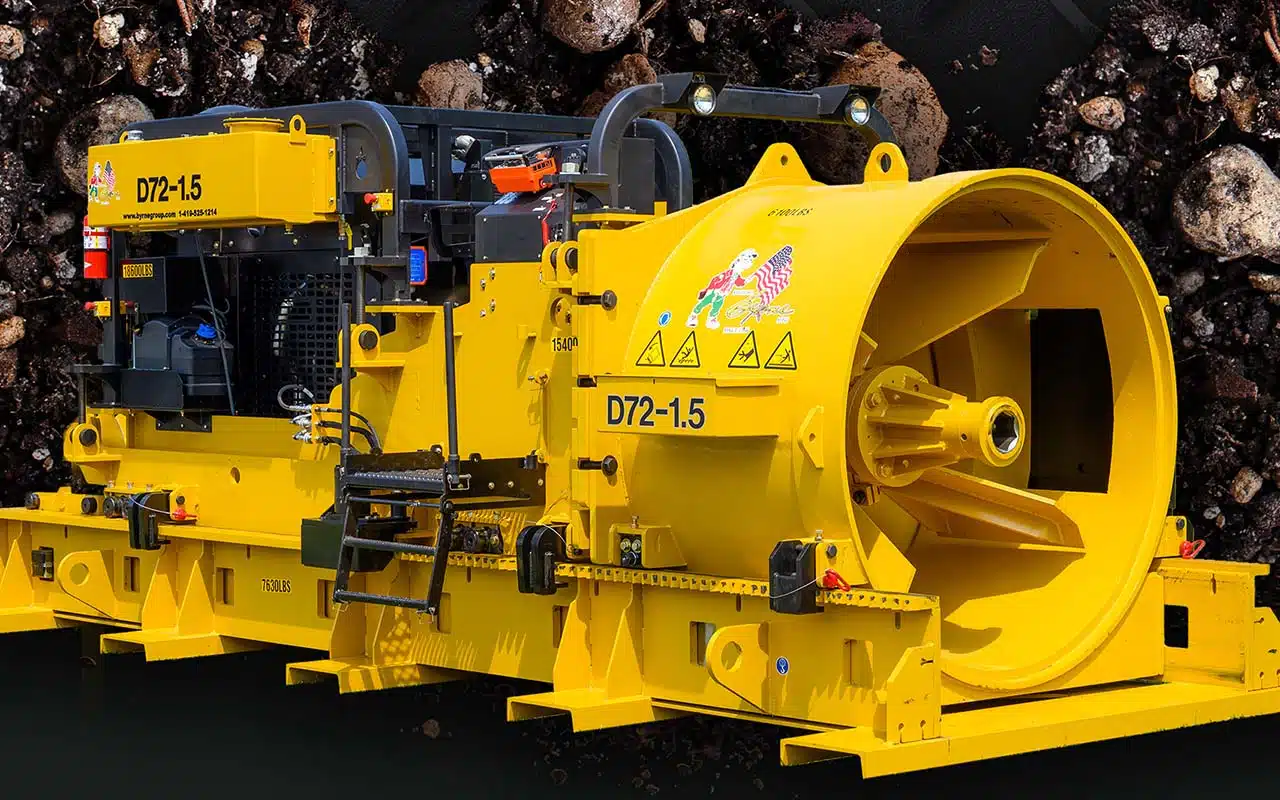
Primary Boring Machine
Selection criteria: Bore diameter range matching your typical projects (24″, 36″, 48″, etc.); adequate thrust capacity for soil conditions; power source suitable for job sites (electric vs. diesel); guidance system (laser or electronic); manufacturer support and parts availability.
Specifications to verify: Maximum thrust force (tons); torque output at cutting head; maximum bore length capability; power requirements; transport dimensions and weight; setup time and crew requirements.
Cutting Heads and Tooling
Essential cutting head types: Standard heads for soft to medium soils; carbide-tipped heads for harder conditions; rock cutting heads for challenging geology; specialized heads for specific soil types.
Tooling inventory: Spare cutter teeth and bits; replacement bearings and seals; auger sections in various lengths; connection hardware and pins; wrench sets and specialty tools.
Recommended spares: At least one complete backup cutting head; two sets of cutter teeth for the primary head; bearing kits for most common sizes; hydraulic seals and O-rings; quick-disconnect fittings.
Jacking and Support Systems
Jacking Frame System
Hydraulic jacking frame with adequate stroke; power pack with sufficient capacity; hydraulic hoses and fittings; pressure gauges and monitoring equipment; thrust block and reaction system.
Capacity planning: Thrust capacity should exceed calculated requirements by 25–50%; stroke length adequate for pipe sections being used; multiple cylinder configuration for even load distribution; emergency pressure relief systems; backup power pack or generator.
Pipe Handling Equipment
Casing pipes in various diameters; lubrication systems for pipe advancement; pipe cutting and welding equipment; inspection cameras for casing verification; lifting equipment rated for pipe sections.
Lubrication system: Bentonite mixing equipment; injection pumps and lines; storage tanks; additive supplies; monitoring and metering equipment.
Safety Equipment
Personal Protective Equipment
For each crew member: hard hats with chin straps; safety glasses and face shields; high-visibility vests; steel-toed boots; hearing protection; work gloves (multiple types); respirators for confined spaces.
Site Safety Systems
Excavation safety: Shoring and trench boxes; ladder systems; atmospheric monitoring equipment; ventilation fans and blowers; emergency rescue equipment; industrial-grade first aid kits.
Traffic and perimeter control: Barricades and cones; warning signs and flags; temporary fencing; traffic control devices; lighting for night operations; communication radios.
Guidance and Monitoring Systems
Laser Guidance Systems
Laser transmitter and target; receiver unit in boring head; display console at controls; backup battery systems; alignment tools and targets; protective cases and covers.
Accuracy requirements: Grade control ±0.1% typical; line control ±1 inch per 100 feet; real-time position feedback; alarm systems for out-of-tolerance conditions.
Electronic Tracking Systems
For non-line-of-sight boring (guided boring): walk-over locating system; downhole steering tool; surface receiver and display; data logging capability; battery charging systems; weather-resistant components.
Support and Utility Equipment
Power generation: Generator(s) sized for equipment load; fuel storage and handling; electrical distribution panels; extension cords and temporary wiring; GFCI protection; backup generator for critical systems.
Material handling: Excavator or backhoe for pit preparation; forklift or telehandler; crane or lifting equipment; spoil conveyance system; trucks for material transport; storage containers.
Dewatering: Submersible pumps (various sizes); trash pumps for solids; discharge hoses and fittings; sumps and collection systems; water treatment if required; backup pumping capacity.
Maintenance and Shop Equipment
Field maintenance tools: Complete socket and wrench sets (SAE and metric); hydraulic repair tools; portable welding equipment; cutting and grinding tools; diagnostic equipment; torque wrenches; grease guns and lubricants.
Shop equipment (base facility): Overhead crane or hoist; heavy-duty workbenches; parts washing station; hydraulic press; bearing installation tools; machine shop capabilities; testing equipment.
Mobilization Equipment
Transportation: Lowboy trailer for boring machine; flatbed for pipe and materials; service truck for tools and supplies; pickup trucks for crew; pipe trailers; equipment for securing loads.
Site setup supplies: Ground protection mats; cribbing and blocking; rigging equipment; chain falls and come-alongs; alignment stakes and string; survey equipment; temporary shelters.
Technology and Documentation
Digital tools: Tablet or laptop for documentation; project management software; GPS/GIS capabilities; camera for as-built documentation; cloud storage for records; communication devices.
Required on every job: Equipment operation manuals; safety data sheets (SDS); maintenance logs; inspection checklists; emergency contact lists; permit documents; insurance certificates.
Spare Parts Inventory
Minimum stock levels: Hydraulic hoses (common sizes); electrical fuses and breakers; hydraulic oil and filters; grease and lubricants; cutting bits and teeth; seals and gaskets; fasteners (bolts, nuts, pins).
Downtime prevention: Identify critical single-point failures; stock parts with long lead times; maintain supplier relationships; keep an emergency contact list; have backup equipment arrangements.
Training and Certification
Boring machine operation certification; confined space entry training; first aid/CPR certification; competent person training (excavation); equipment-specific training; safety program participation.
Budget Planning
Initial investment ranges: Small contractor startup 150,000–300,000; mid-size operation 400,000–800,000; full-service contractor $1,000,000+.
Annual operating budget: Maintenance and repairs 10–15% of equipment value; consumables and supplies 20,000–50,000; insurance 15,000–40,000; training and certification 5,000–15,000.
Not ready to buy? Used and rental machines let you take on a project without the full capital commitment.
Getting Started
Phase 1 — Core capabilities: One boring machine; essential tooling; minimum safety equipment; basic support equipment.
Phase 2 — Expansion: Additional machines or sizes; specialized tooling; enhanced safety systems; efficiency equipment.
Phase 3 — Full service: Complete equipment fleet; all diameter ranges; self-sufficient operations; backup and redundancy.
Need Equipment Guidance?
Byrne Group has been manufacturing auger boring equipment since 1966. Our team can help you select the right machine for your market, plan equipment acquisition strategy, source quality support equipment, develop maintenance programs, and train your operators.
Contact us to discuss your equipment needs with our boring specialists.